Are you prepared for WINTER?

No Gravatar

Winter Is Coming …and for many of us, it’s already here. Are you ready?


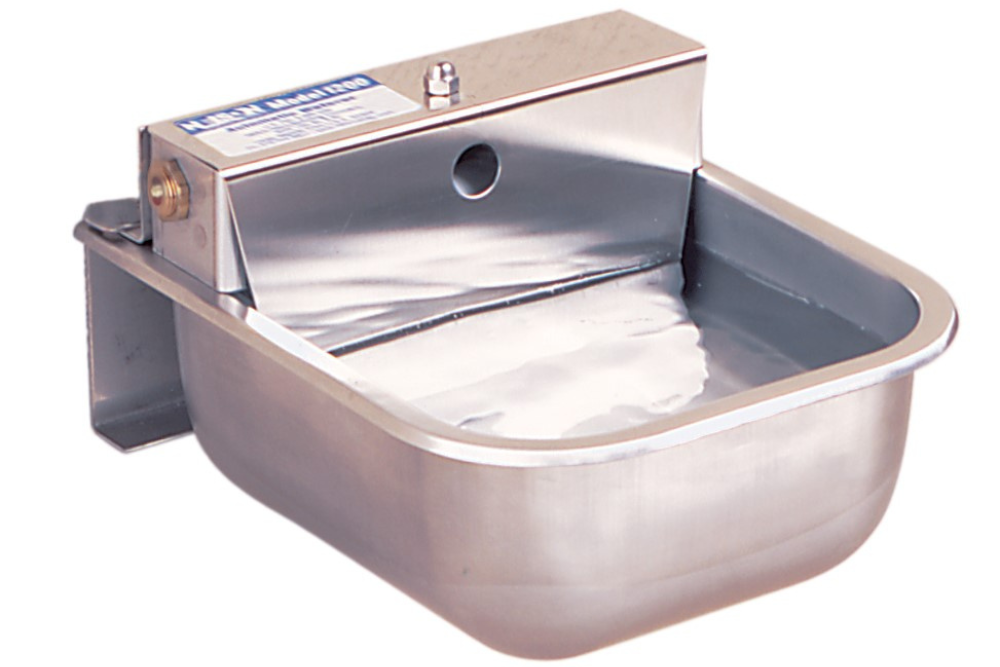
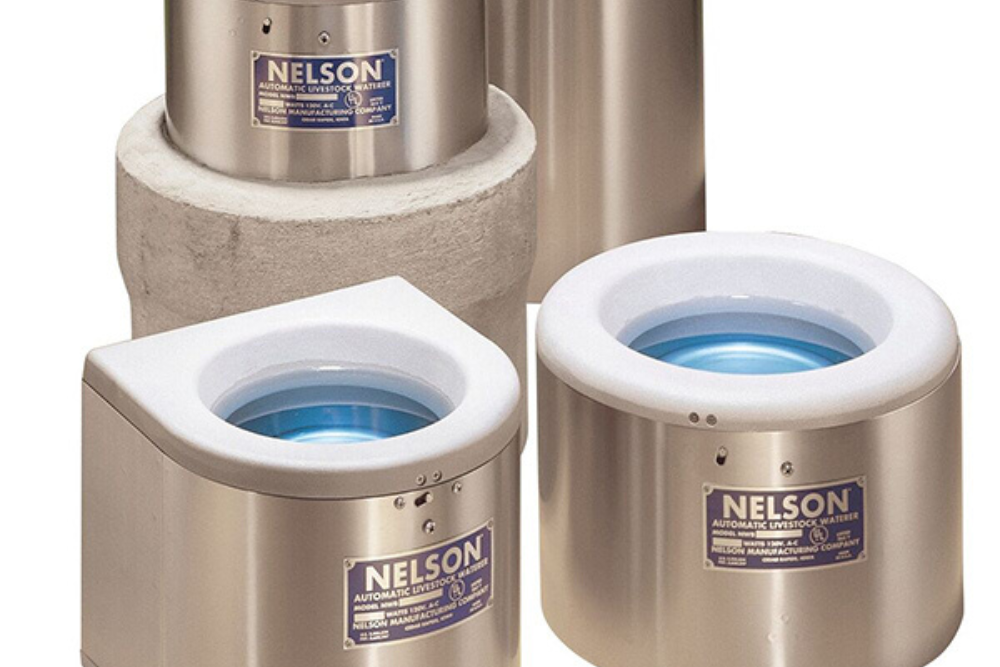
Nelson Automatic Waterer

Here at Nelson Manufacturing Company, we want to make sure you have a safe and healthy winter season.  Here’s a few tips to help get you on your way: 

  1. A Hazard-Free Environment – Look over the grounds thoroughly and remove any hazardous objects that could become either a danger to you or your horse. Snow can cover objects, making them impossible to see. Removing, tagging or otherwise exposing these hazards could prevent serious accidents or injuries.

  2. A Path To Follow – Lay down ground cover, such as sand, rock (gravel) or wood chips in high traffic areas to help provide a safe path.

  3. Light The Way – With days getting shorter and nights getting longer,  it is important to have adequate lighting. Provide lighted pathways and work areas, and always have a flashlight handy for emergencies. You can never have too much light.

  4. A Safe Haven – We all need shelter out of the wind and rain and so does your horse.  Shelter doesn’t have to be fancy. All you need is three sides and a roof, with a space large enough to hold all of the horses in the pasture. If you have the luxury of providing a barn http://mortonbuildings.com/ with a stall for your horse, it should be at least 12 Ft. by 12 Ft., and at least 9 Ft. or more in height. Bedding provided should be dry and clean every night. Also, you may need to supply your horse with a blanket. We recommend assessing each horses needs individually.

  5. A Bite To Eat – Hay and grain are two staples for horses. Horses burn a lot of energy to keep warm in the winter months, so you may need to increase your horse’s portion.  As a general rule, a horse needs 2 to 2.2 pounds of feed for every 100 pounds of body weight. The amount of food your horse needs varies according to activity, age, breed, weather, quality of feed, quality of shelter, condition of teeth, etc. http://www.acreageequines.com/horsecare/horsecare1.htm

  6. In The Spirit of Good Health – Salt and mineral blocks should be made available with free will access.  Always consult your veterinarian when dealing with vitamins and minerals.

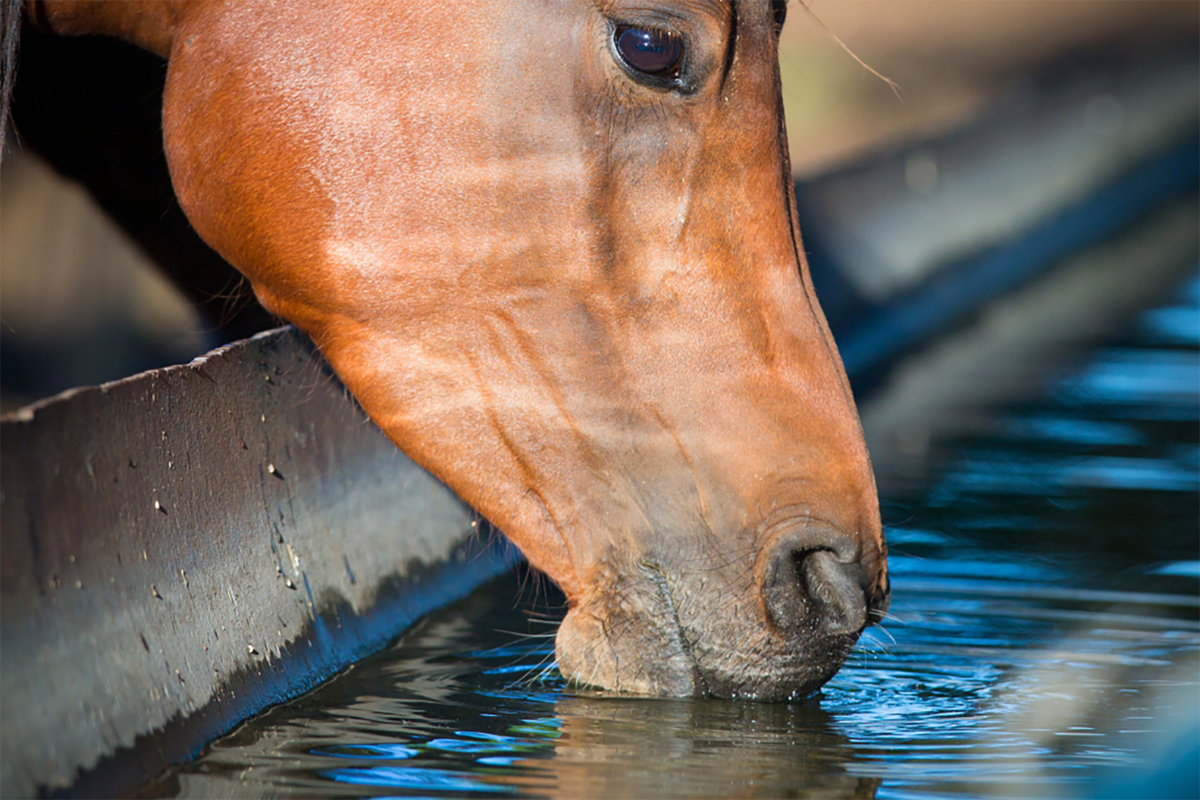
  7. A Tall Drink Of Water – Water is extremely important to the welfare of your horse.  Horses drink anywhere from 5 to 10 gallons of water a day. Clean water should always be made available, as it can be very difficult if not impossible, for a horse to survive on snow alone in the winter. A horse prefers water to be between 40 and 60 degrees. Our heated automatic waterers http://www.nelsonmfg.com cost pennies a day to run.  Horses that do not get enough water are more susceptible to developing colic http://www.gaitedhorses.net/Articles/Colic.html.

Give a horse what he needs and he will give you his heart in return. 

Posted in Cattle, Horses, Livestock, Llamas, Paint, Quarter Horses, Sheep, Thoroughbreds, Tobianos, Uncategorized, waterers | Tagged , , , , , | 1 Comment

Does Your Horse Know Its Way Home?

No Gravatar


Did you know: The first tobiano in North America may have been brought over in 1519 by the Spanish explorer Hernando Cortes. According to historians, he brought 16 warhorses to carry him and his men. One was a sorrel and white horse with spots. That spotted horse bred with American mustangs and laid the foundation for today’s Paint Horse. Source: The American Paint Horse Association.

I remember the time I decided I would join in on a trail ride with some friends.  It was sponsered by Upmier’s Stables near Solon, Iowa, owned and operated by Verne Upmier.  There were approximately 40 riders and most of them seemed as though they’d been down this trail before; at least everyone but me.

I had grown up riding on my dad’s tree farm in LeClaire, Iowa.  For entertainment, my horse and I would run through the pasture jumping holes left by the trees that had been sold.  My friends and I would ride our horses, racing down gravel roads and black tops playing a sort of Cowboys and Indians type game, trying to knock each other off.  Those were the days….

After high school, I sold my horse “Zeb” and was off to college. I graduated from College in Cedar Rapids, Iowa, and I started really missing my horse-riding days and began to get the desire to ride again.  I purchased my horse”Trapper”, a Tobiano Paint from a nearby town.  He was 1 of 2 horses this gal had, and she was scared to death of him.  He had pulled all kinds of tricks on her, so she decided it was time for him to go.  When I first saw him, he was muddy and unruly, and the owner didn’t even want to go near him.  I asked if I could ride him, and she hesitated as she said, “I don’t know?….” But what she really meant to say was “Ok, but ride him at your own risk!”

Image from: APHA Americian Paint Horse Association

It was about 2 years later that he and I managed to iron out all his bad antics; however, we had never been on a trail ride together before, we were just used to gravel roads and ditches.  Trapper was 11 years old at the time, and a little high strung.  He was a leader for sure, and determined no to be a follower, “if you know what I mean.”  Taking him on our first trail ride was kind of like a “box of chocolates” you never know what you’re gonna get”.

If God had intended man to walk, he would have given him four legs. Instead, he gave him two-one to put on either side of a horse. ~Montana Rancher

When we set out on the trail that day,  I was a little nervous but not Trapper.  He spent his time on the trail showing all the other horses who was boss.  He reveled in racing the other riders and their horses up and down the hills.  The time went by so quickly that before I knew it , the sun was going down and we hadn’t even reached the point in our trail ride where we would be turning around and heading for home.  About that same time , we started into the woods, which made visibility nearly impossible.  I struggled with whether to stay with the group and continue on the trail, or turn around and start heading for home; but there was something about Trapper’s extreme confidence and unbridled enthusiasm that eased my fears.  The trail guide yelled “loose rocks and low lying branches!”  I immediately began feeling nervous again, so I just closed my eyes and put my head down along his neck and gave Trapper the reins.  I was so scared!!!! I worried about Trapper, or someone else’s horse, losing they’re footing and rolling down the hill.

Before I knew it , Trapper had led me out of the dark trail and back home.  I was so grateful and proud of his ability to take control.  He never wavered in his confidence.  It was as though he’d had enough of this dog and pony show and it was time to go home. I was surprised when I realized that he knew the way home, even when I wasn’t sure how to get there.  Trapper has since passed on and I truly miss that horse.  I loved Trapper he was the kind of horse that had a mind of his own and knew when and where to use it!

In Loving Memory of Trapper

Posted in Breed, Cattle, Dogs, Horses, Livestock, Llamas, Paint, Quarter Horses, Sheep, Thoroughbreds, Tobianos, Uncategorized, Viruses, waterers | Leave a comment

Is the economy threatening to abolish the relationship between you and your horse?

No Gravatar

Is the economy threatening to abolish the relationship between you and your horse, simply because the cost of feeding, boarding and caring for your horse has become more than you can afford? 
 
We don’t want to sacrifice the quality of care or well-being of our animals. However, caring for a horse is not an inexpensive endeavor by any stretch of the imagination. We all need to ride out this struggling economy, while trying to keep our sanity intact; yet how do we do that without compromising our standards.

 “Sell the cow, buy the sheep, but never be without the horse.”  ~Irish Proverb 

Affordability has become an issue for many in the horse industry, as our economy has continued on its windy path towards recovery. One of the biggest questions on many people’s minds is how to make necessary and appropriate changes in how we spend our money, while trying to maintain the best level of care possible.

 We recently came across a post from Mosquito on PonyBox.com that we found interesting and resourceful, and hope you’ll find a few tips here you can use: 

The Top Ten Ways to Save Money with your Horse: 

  • Cut out supplements (including oils and powders).
  • Repair items that break, rather than purchase them new.
  • Buy used.
  • Do group lessons.
  • Bargain or ask for discounts.
  • Insure your investment, vet bills can add up quickly.
  • Show less and find alternative places to ride.
  • Sell your trailer and rent one, or share one.
  • Sell what you don’t need.
  • Work or trade your time for things you need.

To read the entire article, visit: Ponybox.com.

According to Katherine Blocksdorf, horse owner and writer for About.com, “The one thing you should never skimp on for your horse is high quality hay. Hay is least expensive in summer. Buy off the field, loading your own hay during hay season or have it delivered, but always buy the best. You’ll pay top price for delivered hay in the middle of winter.”

“There’s nothin’ in life that’s worth doin’, if it can’t be done from a horse.”  ~Red Stegall

With a little creativity, you can find other ways to make your horse dollars stretch a little further. Save money by learning to do a few things yourself, such as trimming your horse’s feet, de-worming, or cleaning your own horse stalls. Bartering is another great way to save money. If you have a local tack store you love, you might want to talk to them about giving you a discount for referring others. This can be a real win-win for both parties.

If you have any other money-saving ideas or tips, please share them with us! We value your feedback.

Posted in Cattle, Dogs, Horses, Livestock, Llamas, Sheep, Uncategorized, waterers | Tagged , , , , , , , , , , , , , , , , , | 5 Comments

Can You Recognize the Signs of Dehydration in Your Animals?

No Gravatar

"You can lead a horse to water but you can't make him drink"

“There is no more terrible sight than ignorance in action.”

Johann Wolfgang von Goethe

If you think your animal is suffering from dehydration experts say the signs to look for are:

Lethargy (Lack of energy), irritability, listlessness, loss of appetite, decrease in the production of urine, the urine becomes darker and stronger smelling.  The animals eyes may appear sunken in and lusterless (dull or lack of pigmentation).

To test for dehydration:

Try the “Pinch test”, grab with your thumb and forefinger and pull the animals skin away from their body, a well hydrated animal’s skin will return to a normal position within 1 second and an animal suffering from dehydration will have skin that will lack elasticity and stay in that peak position longer.

Check the animal’s gums by applying pressure to the gums, the color will fade and return quickly in a well hydrated animal and in an animal suffering from dehydration the color may take more than 2-3 seconds to return to normal and the gums may appear dry and lack mucous.

Things you can do to prevent dehydration:

Provide proper shelter out of the sun and heat, provide water at a temperature that is relative to the environment some animals prefer warmer water in the winter and cooler water in the summer, provide fresh water regularly and electrolytes as needed.   One of the most important things you can do is monitor your animal’s water intake daily (WCI – Water Consumption Indicator).

“An ounce of prevention is worth a pound of cure.” In layman’s terms; ”Something that you say which means, it’s better to stop something bad from  happening than it is to deal with it after it has happened”.

Posted in Cattle, Horses, Livestock, Llamas, Sheep, waterers | Tagged , , | 30 Comments

Reduce the Risk of Equine Herpes Virus-1

No Gravatar

Equine Herpes Virus-1: 2 Dead 9 Confirmed Cases In Colorado, Posted By Huffingtonpost:
The Equine Herpes Virus which poses no risk to humans and can be airborne and transmitted by touch or by sharing feed, brushes, bits and other equipment is a reason to take a strong look at how we are care for our animals.

Model: NHW 760-10SNelson 700 Series Automatic Waterers are designed with your horse’s health in mind. A patented balance beam valve provides fresh, clean water with every drink and they are the “only” waterers on the market which have a removable stainless steel drinking bowl that can be cleaned and sterilized.

 We would like to hear what you have say!

Posted in Cattle, Dogs, Horses, Livestock, Llamas, Sheep, Uncategorized, Viruses, waterers | Tagged , , , , , , , , , , , , , , , , , , | 11 Comments